Existing Buildings (Retrofit)
Modernizing or replacing an existing Exterior Building Maintenance (EBM) system presents unique challenges. Many buildings were not originally designed to meet current code requirements or evolving operational needs. Documentation may be incomplete, equipment may be deteriorated, and structural capacity may be uncertain.
Without a strategic approach, retrofit projects can become costly, disruptive, and difficult to manage.
Highline provides independent engineering and coordination services to help owners modernize facade access and fall protection systems safely, efficiently, and with full regulatory compliance.
Why Retrofit Strategy Matters
Owners of existing buildings face real risks:
- Liability exposure from outdated or non-compliant systems
- Rising maintenance costs for aging equipment
- Operational inefficiencies
- Structural unknowns
- Coordination challenges during active building operations
A properly designed retrofit can extend system life, improve efficiency, and significantly reduce long-term risk.
Independent Design vs. Manufacturer-Driven Solutions
When retrofit design is delegated to a manufacturer under a design-build model, solutions are often limited to standardized equipment offerings. This can lead to overdesigned or unnecessarily expensive systems, poor integration with existing building constraints, coordination challenges, and missed opportunities for cost savings.
As an independent consultant, Highline evaluates all viable solutions – including custom approaches – to determine the most efficient and cost-effective strategy for the building. Our role is to protect the owner’s interests.
Typical Systems Addressed
- Roof tie-back anchors for CDA / RDS systems
- Horizontal Lifeline (HLL) systems
- Outrigger beam systems
- Davit pedestals and portable davit arms
- Monorail track and trolley systems
- Rigging sleeves and parapet clamps
- Intermittent Stabilization Anchors (ISA)
- Powered platforms and single-man baskets
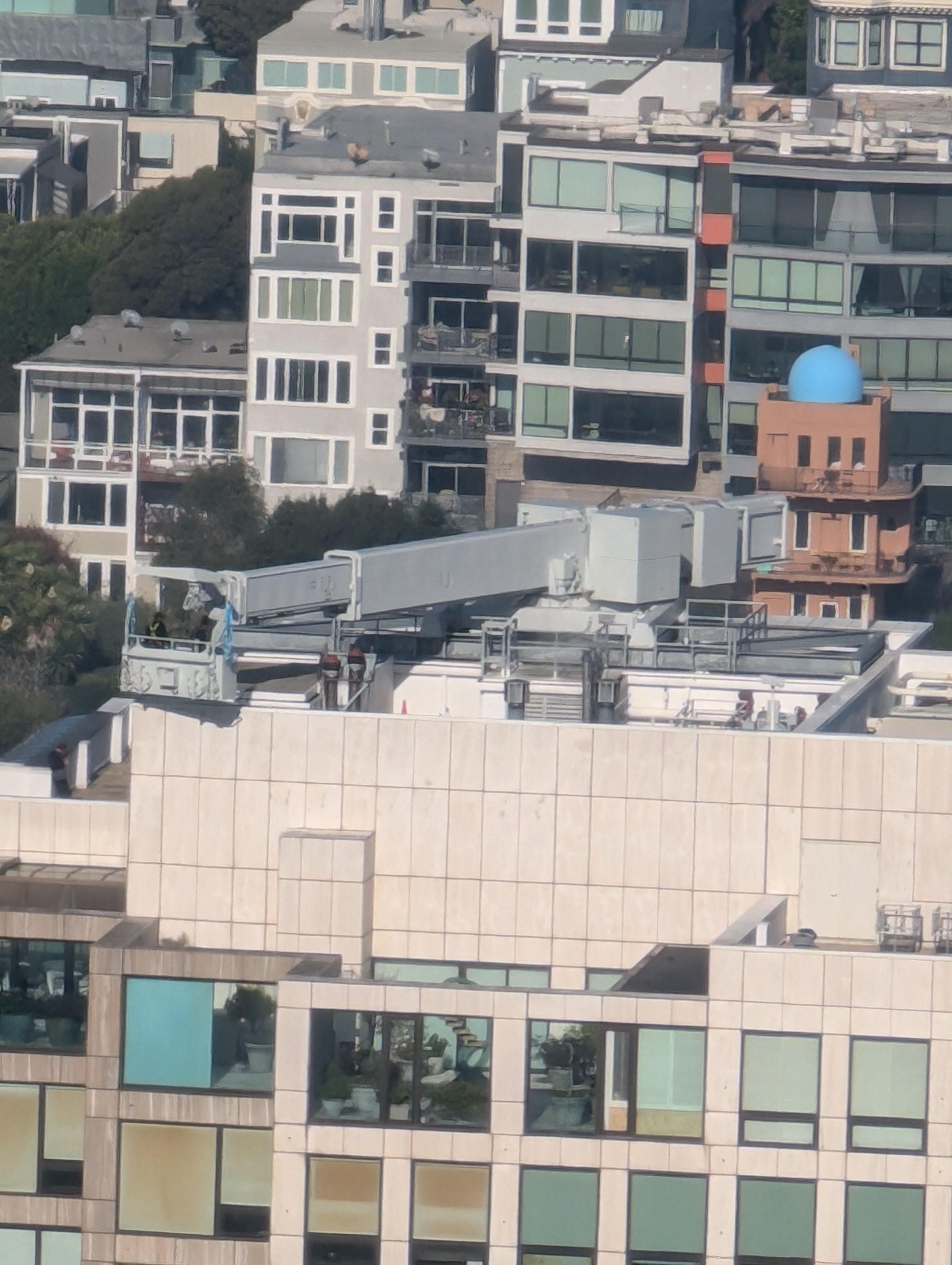
- Building Maintenance Units (BMU) and roof car systems
Typical Project Phases
Project Review
Comprehensive assessment of existing site conditions and available as-built documentation. Includes evaluation of code compliance and identification of structural or operational constraints.
Testing (If Required)
Where existing components may be retained, proof load testing is performed to verify structural adequacy and compliance. Testing scope is tailored to the specific conditions and documentation available.
Concept Design
Development of coordinated retrofit strategies, including equipment layout options, drop studies, structural loading criteria, and comparative evaluation of alternatives.
Construction Documents
Refinement of the selected solution into detailed construction drawings, including equipment details, structural loading requirements, power and water requirements, integration with mechanical, architectural, and landscape features, and code compliance verification.
Engineer of Record (EOR) Review
A licensed Professional Engineer performs structural analysis and provides supporting calculations to verify that the building can safely support imposed loads. Final drawings are stamped by the Engineer of Record.
Specifications
Preparation of project-specific technical specifications covering contractor qualifications, applicable codes and standards, equipment requirements, submittal criteria, and execution requirements.
Construction Administration
Support through RFP development assistance, bid review and analysis, shop drawing review, RFI response, progress inspections, and punch list development.
The Result
A modernized, code-compliant facade access system that protects worker safety, reduces owner liability, minimizes operational disruption, and extends the service life of the building.